The Evolution of Artificial Intelligence and Its Implications on the Workforce
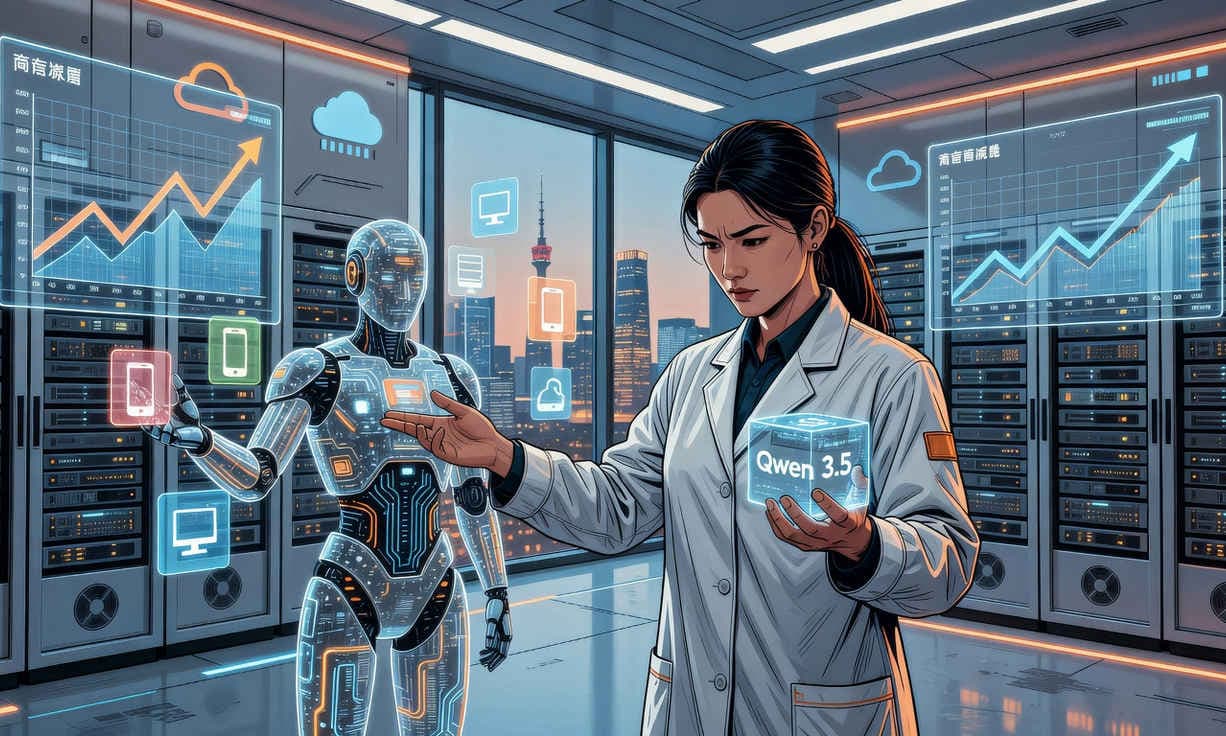
Artificial Intelligence (AI) has been a topic of great interest and debate over the past few decades. With advancements accelerating, its potential to reshape industries is becoming increasingly apparent. Matt Shumer, an expert in AI, has sparked discussions by asserting that the world is on the brink of a monumental shift due to AI's capabilities. His analogy of AI's impact being greater than historical events like the Industrial Revolution or the onset of the internet era highlights the urgency and scale of this change.
A Historical Perspective on Technological Transformations
The Industrial Revolution and the internet have been pivotal in transforming the global workforce. During the Industrial Revolution, manual labor was largely replaced by mechanized processes, leading to urbanization and the creation of new job categories. Similarly, the internet revolutionized communication, commerce, and access to information, spawning entirely new industries.
Impact of Technological Eras on Workforce Transformation
Shumer's assertion that AI will have an even greater impact suggests a future where cognitive tasks traditionally performed by humans could be effectively managed by AI systems. This raises questions about employment, skill adaptation, and economic structures.
The Catalyst for Change: AI's Potential in Various Sectors
AI's applications are vast, spanning from healthcare and finance to transportation and entertainment. Its ability to process large volumes of data and learn from patterns presents opportunities and challenges. Shumer points out that while AI can automate tasks, it also creates new roles that require specialized skills in AI management and ethics.
- Healthcare: AI can assist in diagnosing diseases, personalizing treatment plans, and managing patient data.
- Finance: AI algorithms optimize trading strategies, detect fraud, and enhance customer service through chatbots.
- Transportation: Autonomous vehicles and smart traffic systems are reshaping logistics and urban planning.
AI Market Growth (%)
The Threat to Traditional Employment Models
Shumer's insights draw attention to the potential displacement of jobs, particularly in "white-collar" industries. According to predictions, nearly 50% of office-based jobs may be at risk within the next five years. This does not mean the complete eradication of jobs but rather a shift in the nature of work.
Preparing for an AI-Driven Future
To mitigate potential disruptions, companies and governments must invest in education and training programs. Encouraging innovation and entrepreneurship can lead to job creation in emerging sectors.
- Education: Focus on STEM (Science, Technology, Engineering, Mathematics) fields and AI ethics.
- Policy: Implement regulations that ensure ethical AI deployment and data privacy.
- Entrepreneurship: Support startups that leverage AI for social good.
Conclusion: Navigating the Path Forward
As we stand on the cusp of an AI-driven world, the key to success lies in proactive adaptation and embracing change. While AI presents challenges, it also offers unprecedented opportunities for growth and innovation. By preparing today, we can ensure a future where humans and AI coexist harmoniously, driving progress across all sectors.
References
- Matt Shumer's Insights on AI — Primary source for statistics and industry trends discussed in this article.