The Advent of Seedance 2.0: A New Era in Content Creation
In recent times, the technological landscape has witnessed groundbreaking developments in artificial intelligence (AI), particularly in content creation. One such innovation, Seedance 2.0, has emerged as a formidable player in the realm of text-to-video generation. This advanced AI model, developed by the Chinese tech giant Bytedance, has not only captured the attention of the tech community but has also made significant waves across Hollywood, challenging traditional content creation paradigms.
The Disney Conundrum
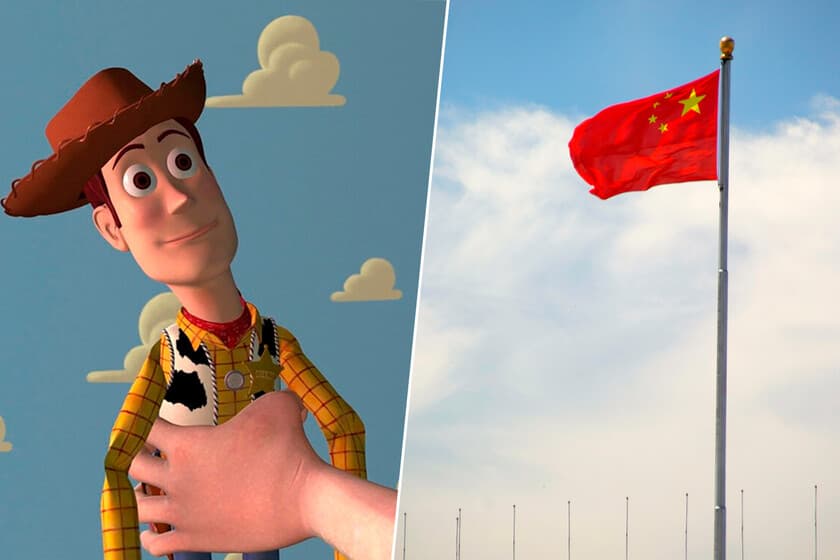
Seedance 2.0's impact is so profound that it has drawn the ire of entertainment titan Disney. Reports indicate that Disney issued a cease-and-desist letter to Bytedance, accusing the company of using Disney characters to train its AI model without authorization. According to Reuters, the inclusion of copyrighted characters might be a critical factor contributing to the model's high accuracy in recreating these personas.
Bytedance has responded by acknowledging the concerns and pledging to enhance safeguards against unauthorized use of intellectual property. However, the specifics of these measures remain undisclosed.
A Broader Context: AI's Role in Content Creation
Disney is no stranger to AI controversies. In the past, it has taken similar actions against Character.AI, another AI entity that specializes in generating animated characters. Interestingly, Disney maintains a partnership with OpenAI, investing a substantial sum to harness AI for character generation under a controlled framework.
AI Model Influence on Content Creation
The Transformation of the Film Industry
The implications of AI models like Seedance 2.0 extend beyond legal challenges. They represent a seismic shift in how films and animations are produced. Traditionally, creating high-quality video content required extensive resources, including large teams and significant budgets. However, AI-driven models can now perform in minutes what used to take weeks, revolutionizing production processes.
CEOs of major studios, such as Sony, have publicly acknowledged the need to embrace AI to optimize production costs. This trend towards automation and efficiency is not only a response to financial pressures but also a strategic move to stay competitive in an increasingly digital world.
The Future of AI in Entertainment
The debate around AI in content creation raises critical questions about the future of the entertainment industry. Will AI replace human creativity, or will it serve as a tool to enhance it? The answer may lie in how companies choose to integrate AI into their workflows.
Projected AI Integration in Film Production (%)
Embracing Change
As AI continues to evolve, the entertainment industry must adapt to harness its potential fully. This involves not only technological integration but also addressing ethical considerations, such as intellectual property rights and the balance between automation and human labor.
AI is not just a tool for efficiency; it's a catalyst for innovation in storytelling.
”Conclusion
Seedance 2.0 represents a pivotal moment in the evolution of content creation. While it poses challenges, particularly in terms of legal and ethical considerations, it also offers unprecedented opportunities for innovation and efficiency. As the industry navigates these changes, the role of AI in shaping the future of entertainment is set to expand dramatically.
References
- China ha logrado crear una IA que ha hecho temblar a Hollywood — Primary source for insights on Seedance 2.0 and its impact on Hollywood.